
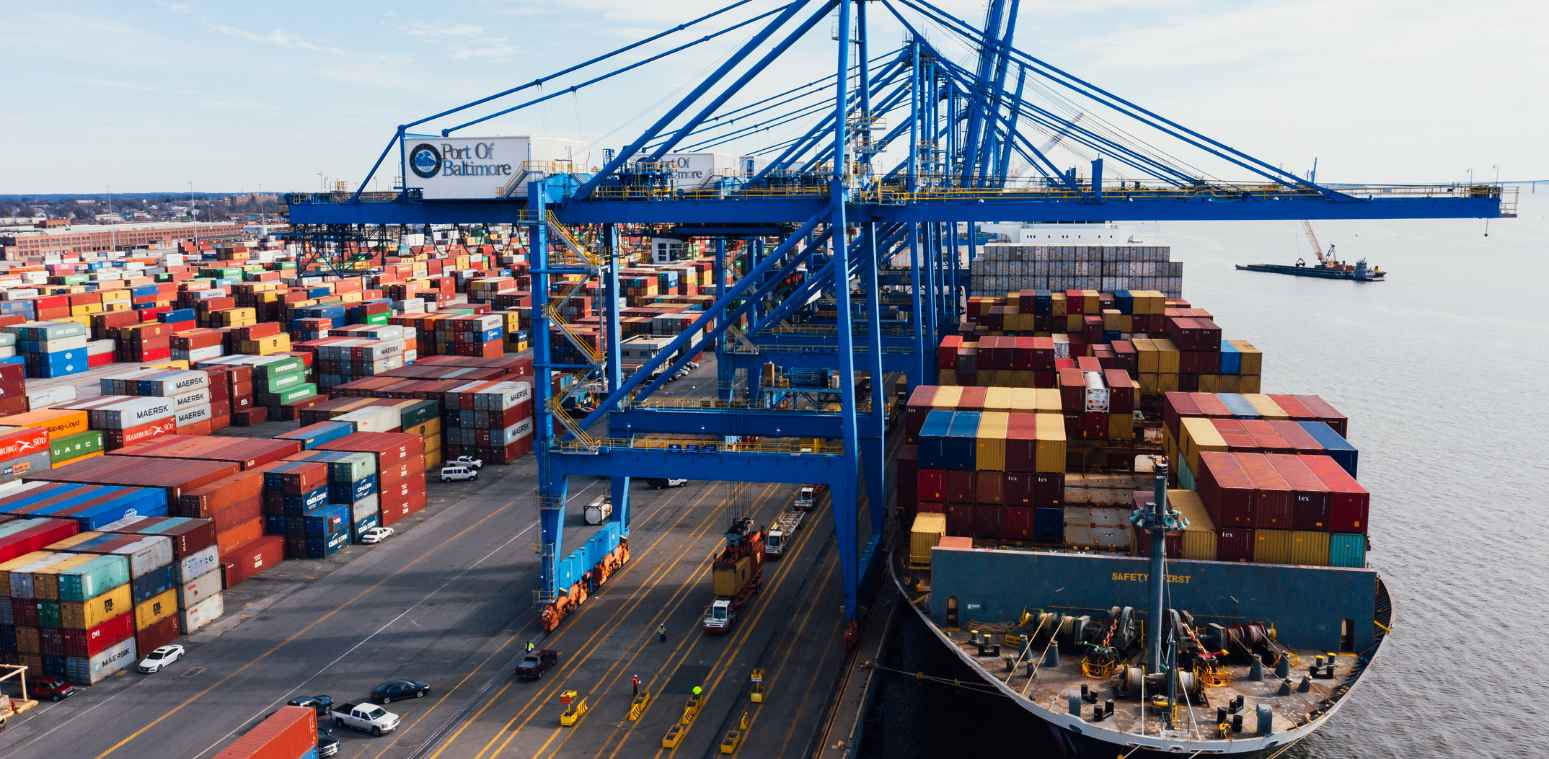
Bulk cargo transportation plays a vital role in modern supply chains. Industries across manufacturing, construction, agriculture, energy, and retail rely on the movement of large quantities of raw materials and commodities to maintain operations. From grain and cement to chemicals and fuels, bulk cargo transport supports domestic and international trade on a massive scale.
Understanding how bulk cargo moves through the logistics network helps businesses make informed decisions about transportation, costs, safety, and efficiency.
What Is Bulk Cargo?
Bulk cargo refers to goods transported in large quantities without individual packaging. These materials are usually loaded directly into vehicles, vessels, silos, tanks, or storage facilities.
Definition Of Bulk Cargo
Bulk cargo includes commodities that are shipped loose rather than in boxes, pallets, or containers. These goods are generally transported using specialised equipment designed for large volume movements.
Characteristics Of Bulk Goods
Bulk goods often have no fixed shape and require dedicated loading, unloading, and storage systems. Many bulk commodities are transported in dry, liquid, or gas form.
How Bulk Cargo Differs From General Cargo
General cargo is normally packaged and handled individually. Bulk cargo, on the other hand, is transported in large quantities and managed using specialised logistics processes.
Industries That Depend On Bulk Transport
Many sectors rely heavily on bulk transport, including agriculture, mining, construction, manufacturing, food production, and energy generation.
Main Types Of Bulk Cargo
Bulk cargo can be divided into several categories based on its physical form and handling requirements.
Dry Bulk Cargo
Dry bulk cargo includes grain, coal, cement, sand, gravel, fertilisers, and metal ores. These materials are often transported using bulk carriers, rail freight, and tipper vehicles.
Liquid Bulk Cargo
Liquid bulk cargo includes crude oil, fuel products, edible oils, chemicals, and industrial liquids. Tankers and specialised storage facilities are commonly used for transportation.
Break Bulk Cargo
Break bulk cargo consists of goods that cannot easily fit into standard shipping containers. Examples include heavy machinery, steel products, and large industrial equipment.
Hazardous Bulk Cargo
Certain bulk commodities require additional safety procedures due to their chemical or environmental risks. These goods must comply with strict transport regulations.
How Bulk Cargo Is Transported
Several transport methods are used depending on cargo type, destination, and delivery requirements.
Maritime Bulk Shipping
Sea freight remains one of the most cost effective methods for transporting bulk commodities over long distances. Bulk carrier vessels can move significant volumes across global trade routes.
Rail Freight Solutions
Rail transport is commonly used for dry bulk materials such as grain, coal, and aggregates. It offers reliable capacity and efficient long distance transportation.
Road Transport For Bulk Cargo
Road freight provides flexibility and supports regional distribution. It is often used for short to medium distance deliveries and final mile transportation.
Intermodal Transportation Methods
Intermodal logistics combines multiple transport modes to improve efficiency and reduce transit times while maintaining cargo security.
Challenges In Bulk Cargo Transportation
While bulk cargo transportation offers significant advantages, it also presents several operational challenges.
Market Volatility
Changes in commodity prices, fuel costs, and market demand can impact transportation planning and profitability.
Infrastructure Limitations
Not every location has access to suitable terminals, storage facilities, or transport networks required for bulk freight.
Cargo Handling Complexity
Large volume cargo movements require careful coordination during loading, unloading, and storage operations.
Regulatory Compliance Requirements
Businesses must comply with transport regulations, environmental standards, customs procedures, and safety requirements.
Costs And Operational Efficiency
Managing costs effectively is essential in bulk logistics.
Factors Affecting Shipping Costs
Transport distance, cargo type, fuel prices, infrastructure availability, and handling requirements all influence shipping costs.
Cargo Space Optimisation
Maximising vehicle and vessel capacity helps reduce transportation costs and improve profitability.
Reducing Downtime
Efficient scheduling and planning minimise delays during loading, unloading, and transit operations.
Improving Transport Efficiency
Technology, route planning, and performance monitoring help businesses achieve better operational efficiency.
Safety And Monitoring Technologies
Modern logistics relies heavily on monitoring systems to improve cargo security and safety.
Cargo Tracking Systems
GPS tracking allows businesses to monitor shipments throughout the transportation process and maintain visibility across the supply chain.
Temperature Monitoring
Certain bulk commodities require controlled temperatures to maintain quality and compliance standards.
Pressure Monitoring
Pressure monitoring systems are essential when transporting gases and sensitive liquid cargo.
Risk Prevention Measures
Regular inspections, staff training, and real time monitoring reduce operational risks and improve safety performance.
Sustainability In Bulk Cargo Logistics
Environmental responsibility is becoming increasingly important across the logistics sector.
Environmental Challenges
Bulk transportation can contribute to emissions, fuel consumption, and environmental impact if not managed effectively.
Carbon Emission Reduction
Businesses are investing in cleaner technologies and route optimisation to reduce carbon emissions.
Green Logistics Strategies
Green logistics focuses on improving efficiency while reducing environmental impact throughout the supply chain.
Alternative Fuels And Technologies
Biofuels, electric vehicles, and low emission technologies are helping transform freight transportation.
Insurance And Risk Management
Risk management is a critical component of bulk cargo operations.
Cargo Insurance Requirements
Insurance protects businesses against cargo damage, loss, delays, and unexpected incidents during transportation.
Managing Transportation Risks
Comprehensive planning helps identify and reduce operational risks before they become costly problems.
Environmental Liability Protection
Businesses handling sensitive materials must consider environmental liabilities and regulatory responsibilities.
Supply Chain Risk Planning
Effective risk planning helps maintain continuity during disruptions, delays, and unforeseen events.
Logistics Infrastructure For Bulk Cargo
Strong infrastructure supports efficient bulk cargo transportation.
Ports And Terminals
Ports and terminals provide essential facilities for cargo handling, storage, and distribution.
Silos And Storage Facilities
Storage facilities help maintain inventory levels and support continuous supply chain operations.
Tankers And Bulk Carriers
Specialised vehicles and vessels are designed to safely transport bulk commodities.
Automated Warehousing Systems
Automation improves inventory management, operational efficiency, and cargo handling accuracy.
Bulk Cargo Handling Processes
Proper handling procedures are essential for maintaining safety and efficiency.
Loading Operations
Loading procedures must be carefully planned to maximise capacity and minimise delays.
Unloading Procedures
Efficient unloading processes reduce turnaround times and improve productivity.
Cargo Distribution Systems
Distribution systems ensure goods are moved efficiently through the supply chain network.
Handling Equipment Requirements
Specialised equipment supports safe and efficient cargo movement across various transport modes.
Benefits Of Bulk Cargo Transportation
Bulk transport offers several advantages for businesses moving large quantities of goods.
Cost Efficiency
Transporting commodities in bulk often lowers the cost per unit and improves profitability.
Large Volume Capacity
Bulk transportation supports the movement of substantial cargo volumes in a single shipment.
Reliable Supply Chains
Consistent transportation services help maintain stable supply chains and production schedules.
Global Trade Support
Bulk cargo transport plays a major role in supporting international trade and economic growth.
Choosing The Right Bulk Cargo Logistics Partner
Selecting the right logistics provider is essential for successful transportation.
Industry Experience
Experienced logistics companies understand the challenges associated with bulk cargo handling and transportation.
International Network Coverage
Global transport networks provide greater flexibility and access to international markets.
Compliance Expertise
Strong regulatory knowledge helps businesses avoid costly compliance issues.
Technology And Monitoring Capabilities
Modern tracking and reporting systems improve visibility and supply chain control.
Future Trends In Bulk Cargo Transport
The logistics sector continues to evolve through innovation and technology.
Digital Logistics Solutions
Digital platforms improve shipment visibility, planning, and communication.
Automation In Freight Management
Automation reduces manual processes and improves operational accuracy.
Sustainable Transport Developments
Environmental initiatives continue to drive investment in cleaner transport solutions.
Smart Supply Chain Technologies
Advanced analytics and connected systems are helping businesses optimise supply chain performance.
Why Bulk Cargo Transport Matters For Global Trade
Bulk cargo transportation remains a cornerstone of the global economy.
Supporting Industrial Production
Manufacturing and industrial sectors depend on reliable access to raw materials and bulk commodities.
Facilitating Commodity Distribution
Bulk transport enables efficient movement of goods between producers, suppliers, and customers.
Strengthening International Supply Chains
Global supply chains rely on effective bulk cargo logistics to support trade and economic activity.
Meeting Growing Global Demand
As demand for commodities continues to grow, bulk cargo transportation will remain essential to supporting industries worldwide.
How AJB Couriers Supports Bulk Cargo Logistics
At AJB Couriers, we understand the importance of reliable freight transportation and efficient supply chain management. Our nationwide courier services support businesses with time critical deliveries, dedicated vehicle solutions, specialist transport services, and flexible logistics support. By combining experienced drivers, modern tracking technology, and responsive customer service, we help businesses move goods safely and efficiently across the UK.
FAQs
What is bulk cargo?
Bulk cargo refers to goods transported in large quantities without individual packaging, including dry bulk, liquid bulk, and gas commodities.
What are the main types of bulk cargo?
The main categories include dry bulk cargo, liquid bulk cargo, break bulk cargo, and hazardous bulk cargo.
Which transport method is best for bulk cargo?
The most suitable method depends on the cargo type, distance, delivery timeframe, and infrastructure available. Sea, rail, road, and intermodal transport all have advantages.
Why is bulk cargo transportation important?
Bulk cargo transportation supports manufacturing, agriculture, construction, energy production, and international trade.
How can businesses reduce bulk transportation costs?
Businesses can reduce costs through route optimisation, efficient cargo handling, maximising vehicle capacity, and using suitable transport modes.
What role does technology play in bulk logistics?
Technology improves cargo tracking, monitoring, planning, reporting, and overall supply chain efficiency.