
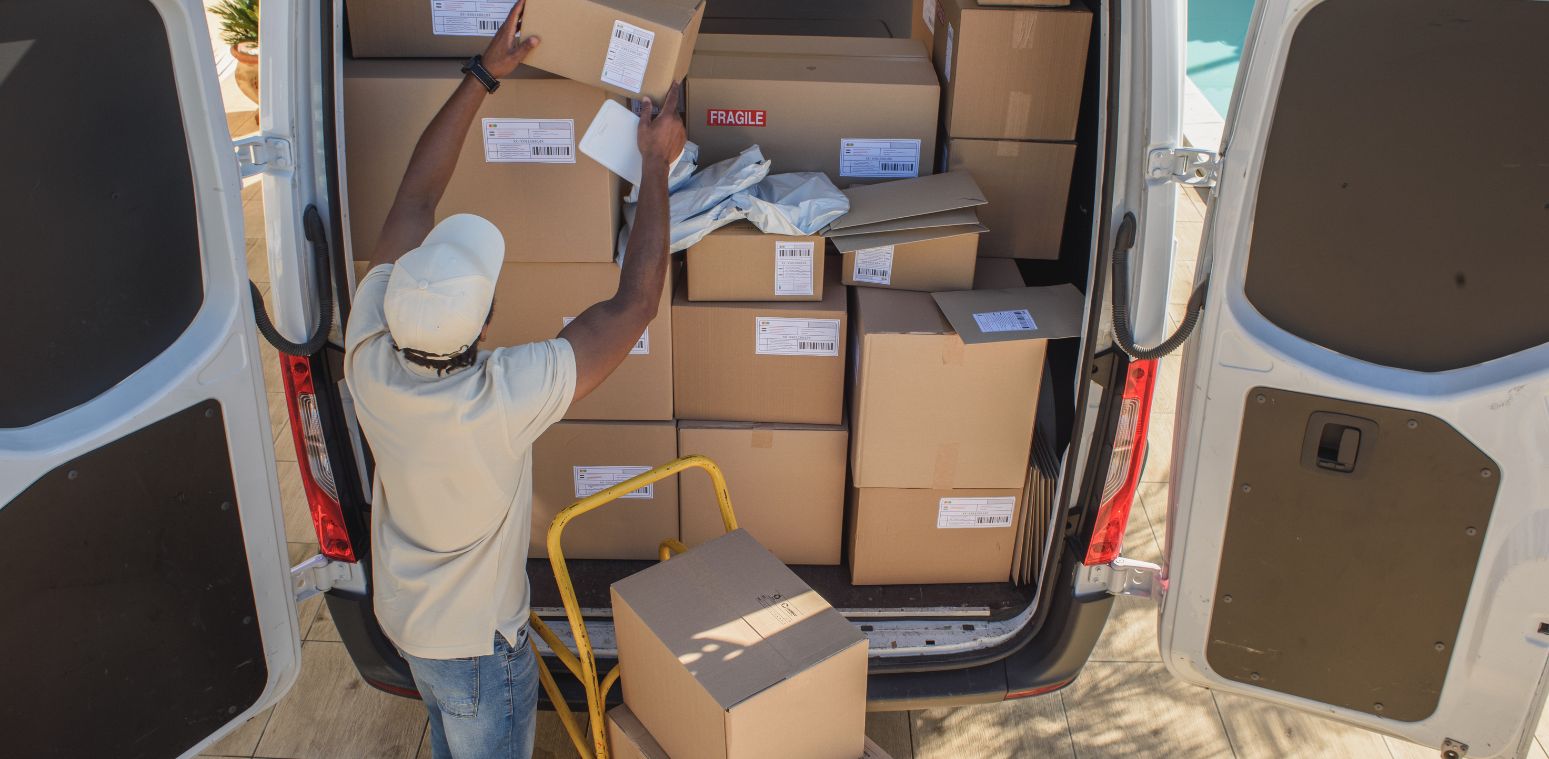
Last mile logistics is one of the most important parts of the delivery process, but it can also be one of the most expensive and difficult to manage.
Customers expect their orders to arrive quickly, safely and at a convenient time. At the same time, businesses need to control fuel costs, make good use of their vehicles and keep delivery operations running efficiently.
Finding the best ways to optimise last mile logistics is therefore about more than simply getting parcels from one place to another. It requires better planning, useful technology, reliable drivers and a clear understanding of delivery performance.
Here are some practical ways businesses can improve last mile delivery efficiency while keeping costs under control.
What Is Last Mile Logistics?
Last mile logistics refers to the final stage of the delivery journey, when an item travels from a local depot, fulfilment centre or distribution point to the customer.
It may be the shortest part of the supply chain, but it often involves the greatest number of variables.
Why the Last Mile Is So Difficult to Manage
Traffic, road closures, customer availability, delivery locations and unexpected delays can all affect the final journey.
Urban deliveries can be particularly challenging because drivers may need to deal with congestion, limited parking and several stops within a small area.
Why Last Mile Delivery Costs Are High
Fuel, driver time, vehicle maintenance and failed deliveries all contribute to last mile delivery costs.
A poorly planned route can mean unnecessary mileage and fewer completed deliveries. Even one failed delivery may require another journey, adding more time and cost.
How to Optimise Last Mile Logistics
Improving last mile logistics requires businesses to look at the complete delivery operation rather than focusing on one area.
Use Predictive Analytics to Plan Deliveries
Predictive analytics can use historical delivery data to identify patterns and help businesses prepare for demand.
This can support better decisions around staffing, vehicle requirements and delivery schedules, particularly during busy periods.
Optimise Delivery Routes
Route optimisation helps drivers complete more deliveries while travelling fewer unnecessary miles.
Good route planning should consider delivery locations, time windows, vehicle capacity and expected traffic conditions. More efficient routes can reduce fuel consumption while improving delivery times.
Use Real Time Traffic and Delivery Data
Traffic conditions can change quickly.
Using real time information allows delivery teams to respond to congestion, accidents and road closures. Routes can then be adjusted before delays become more serious.
Improve Vehicle Capacity and Load Planning
Sending a half empty vehicle on a long route is rarely efficient.
Better load planning helps businesses use available vehicle capacity effectively. Orders can be grouped by destination, vehicle size and delivery requirements to increase vehicle fill rates.
Use Micro Fulfilment Centres
Micro fulfilment centres bring commonly ordered products closer to customers.
Shorter distances can support faster deliveries and reduce transport costs, particularly for businesses handling large numbers of orders within busy towns and cities.
Introduce Smart Lockers and Alternative Delivery Points
Customers do not always need their parcels delivered directly to their door.
Smart lockers, collection points and other alternative delivery locations can make deliveries more convenient while helping drivers consolidate several orders into fewer stops.
Reduce Failed Deliveries
A failed delivery costs time and money.
Providing accurate estimated arrival times, delivery notifications and alternative delivery options can increase first attempt delivery success and reduce repeat journeys.
Improve Driver Recruitment and Retention
Experienced drivers understand local routes, delivery procedures and customer expectations.
Keeping good drivers can reduce recruitment and training costs while helping maintain a consistent standard of service.
How Technology Can Improve Last Mile Delivery
Technology can make delivery operations easier to plan, monitor and improve.
Route Planning Software
Route planning software can calculate efficient routes using delivery addresses, vehicle availability and other operational information.
This saves managers from having to plan complex delivery schedules manually.
Real Time Delivery Tracking
Real time tracking gives delivery teams greater visibility over vehicles and orders.
It can also give customers useful information about where their delivery is and when they can expect it.
Automated Customer Notifications
Simple notifications can make a significant difference to delivery success.
Customers can receive updates about expected arrival times or changes to their delivery, helping ensure someone is available when the driver arrives.
Predictive Analytics and AI
AI and predictive analytics can identify patterns across large amounts of logistics data.
Businesses can use these insights to predict demand, improve route planning and allocate vehicles and drivers more efficiently.
API Integrations
API integrations allow different logistics systems to communicate with each other.
Connecting ordering, warehouse and delivery platforms can reduce manual administration and improve the flow of information throughout the delivery process.
How to Reduce Last Mile Delivery Costs
Reducing costs does not have to mean reducing service quality. Better efficiency can often improve both.
Reduce Fuel Consumption and Unnecessary Mileage
Efficient route planning is one of the simplest ways to reduce unnecessary travel.
Fewer miles can mean lower fuel costs, less vehicle wear and more productive driver time.
Increase Vehicle Fill Rates
Using vehicle capacity properly can reduce the number of journeys required.
Monitor vehicle fill rates and look for opportunities to group deliveries travelling in similar directions.
Reduce Repeat Delivery Attempts
Repeat journeys increase fuel consumption and driver hours without creating additional revenue.
Better customer communication and flexible delivery options can improve first attempt success.
Improve Driver Productivity
Drivers need clear routes, accurate delivery information and suitable technology.
Reducing unnecessary administration gives them more time to focus on completing deliveries efficiently.
How to Make Last Mile Logistics More Sustainable
Sustainable last mile delivery can reduce environmental impact while also improving operational efficiency.
Electric and Hybrid Delivery Vehicles
Electric and hybrid vehicles can help reduce emissions, particularly on regular urban delivery routes.
Businesses should consider journey distance, charging requirements and vehicle capacity before changing their fleet.
Cargo Bikes for Urban Deliveries
Cargo bikes can be useful for smaller deliveries in busy city centres.
They can avoid some congestion and parking problems while providing a lower emission option for suitable journeys.
Reduce Empty and Unnecessary Miles
Vehicles travelling without useful loads create unnecessary costs and emissions.
Better route and load planning can help reduce empty mileage.
Local Fulfilment and Consolidated Deliveries
Keeping products closer to areas of high customer demand can shorten delivery journeys.
Consolidating several orders into one route can further reduce unnecessary vehicle movements.
Which Last Mile Logistics KPIs Should You Track?
You cannot improve last mile logistics effectively without measuring performance.
Cost Per Delivery
Track how much each completed delivery costs. This can help identify routes or delivery types that are becoming too expensive.
On Time Delivery Rate
Measure how often deliveries arrive within the promised time window.
First Attempt Delivery Success
A high first attempt success rate reduces repeat journeys and improves customer satisfaction.
Vehicle Fill Rate
Monitor how effectively available vehicle capacity is being used.
Fuel Consumption
Tracking fuel use can highlight inefficient routes, vehicles or driving patterns.
Return Rate
High return rates can create additional transport and handling costs, so understanding why products are being returned is important.
Customer Satisfaction
Customer feedback can reveal problems that operational data may not immediately show.
In House vs Outsourced Last Mile Logistics
Businesses can manage deliveries internally or work with an external delivery partner. The right approach depends on delivery volumes, available resources and customer requirements.
Optimising an In House Delivery Operation
In house teams have greater control over drivers, vehicles and delivery processes.
However, businesses need to manage fleet costs, recruitment, technology, compliance and changing delivery volumes themselves.
Working With a 3PL or Delivery Partner
A suitable delivery partner can provide additional capacity and logistics expertise without requiring a business to operate its own complete fleet.
This can be particularly useful when delivery volumes change or specialist courier support is required.
How to Choose the Right Logistics Partner
Look beyond price alone.
Consider reliability, geographic coverage, communication, tracking capabilities, flexibility and the ability to handle changing delivery requirements.
Last Mile Logistics FAQs
What is last mile logistics?
Last mile logistics is the final stage of the supply chain, where goods move from a depot, fulfilment centre or local distribution point to the final customer.
Why is last mile delivery so expensive?
Costs can increase because of fuel consumption, driver time, congestion, multiple delivery stops, vehicle maintenance and failed delivery attempts.
How can last mile delivery costs be reduced?
Businesses can reduce costs through route optimisation, better vehicle utilisation, fewer failed deliveries, improved load planning and suitable delivery technology.
What is route optimisation in logistics?
Route optimisation involves finding efficient routes for drivers based on factors such as delivery locations, traffic, vehicle capacity and delivery times.
How does technology improve last mile delivery?
Technology can support route planning, real time tracking, customer notifications, demand forecasting and better communication between logistics systems.
What KPIs should last mile logistics teams track?
Useful KPIs include cost per delivery, on time delivery rate, first attempt success, vehicle fill rate, fuel consumption, return rates and customer satisfaction.
Start Optimising Your Last Mile Logistics
The best ways to optimise last mile logistics involve combining efficient routes, reliable drivers, useful technology and accurate performance data.
Small improvements across fuel use, vehicle capacity, delivery success and customer communication can make a significant difference when repeated across hundreds or thousands of deliveries.
AJB Couriers supports businesses with reliable courier and delivery solutions designed around their operational needs. Whether you need additional delivery capacity or ongoing courier support, having the right logistics partner can help you improve efficiency while continuing to provide the service your customers expect.