
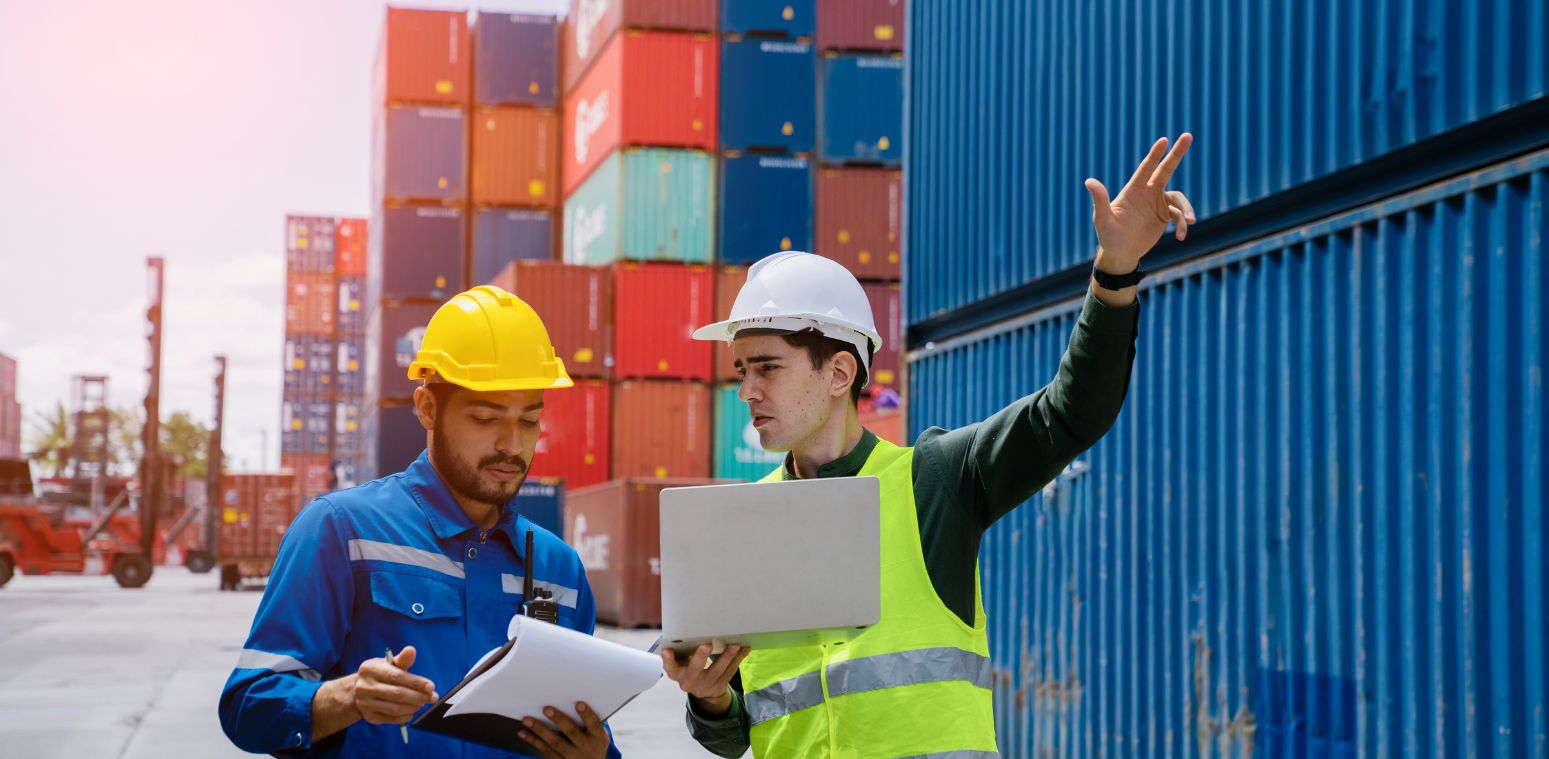
Supply chain visibility gives businesses a clear view of where goods are, what is happening across the delivery network and where problems may appear next.
For courier and logistics operations, this matters because one missing update can quickly become a delayed delivery, customer complaint or unnecessary cost. Businesses that want to improve supply chain visibility need more than a tracking screen. They need connected systems, reliable data and clear processes that help teams act on information quickly.
What Is Supply Chain Visibility?
Supply chain visibility is the ability to monitor goods, orders, inventory and delivery activity across the supply chain.
It brings information from suppliers, warehouses, carriers, logistics partners and delivery teams into a more connected view.
What Does End to End Supply Chain Visibility Mean?
End to end visibility means following an order from its starting point through warehousing, transportation and final delivery.
The aim is simple. There should be fewer blind spots when goods move between different systems, carriers or locations.
Supply Chain Visibility vs Supply Chain Transparency
Visibility focuses on knowing what is happening across your own supply chain.
Transparency goes further by sharing relevant information with customers, suppliers and other partners.
You normally need good visibility before you can provide reliable transparency.
Real Time vs Traditional Supply Chain Visibility
Traditional tracking often relies on scheduled updates, manual checks and delayed information.
Real time supply chain visibility uses live tracking data, carrier updates and connected systems to show what is happening much sooner.
Why Is Supply Chain Visibility Important?
Better visibility helps businesses move from reacting to problems towards managing them earlier.
Reduce Delays and Supply Chain Disruptions
When teams can see delays earlier, they have more time to contact customers, change routes or manage alternative delivery options.
Improve Inventory Management
Clear inventory visibility helps teams understand where stock is located and when replenishment may be required.
Increase On Time Delivery Performance
Tracking shipment progress allows operations teams to identify deliveries that may miss their planned arrival time.
Reduce Logistics Costs
Poor visibility can lead to unnecessary calls, repeated delivery attempts, inefficient routes and wasted operational time.
Improve Customer Experience
Customers increasingly expect accurate delivery information. Better tracking can reduce uncertainty and improve communication.
Strengthen Supply Chain Risk Management
Visibility helps teams identify weak carriers, unreliable routes, repeated delays and other risks before they become larger problems.
What Causes Poor Supply Chain Visibility?
The biggest issue is often not a lack of information. It is that the information sits in different places.
Disconnected ERP, TMS, WMS and OMS systems can make it difficult to build a complete picture.
Data silos between suppliers, carriers and internal teams create further gaps. Limited carrier and 3PL integration can result in manual updates, while spreadsheets can quickly become outdated.
Poor data quality also creates problems. A live dashboard is not useful if the underlying data is incorrect.
Multi modal transport can make visibility even more difficult because information may move between road, sea, air and warehouse systems.
How to Assess Your Current Supply Chain Visibility
Start by mapping the complete journey of a typical shipment.
Identify where information is available, where updates are delayed and where visibility disappears completely.
Then review your existing data sources. Look at transportation systems, warehouse platforms, carrier portals, GPS information and customer service records.
You should also establish baseline supply chain KPIs before making major improvements. This gives you something meaningful to compare against later.
How to Improve Supply Chain Visibility
Connect ERP, TMS, WMS and OMS Data
Your main operational systems should exchange relevant data wherever possible.
This reduces the need for repeated manual entry and makes it easier to create a single view of orders, inventory and transportation.
Integrate Carriers and 3PL Providers
Carrier and 3PL integration allows delivery updates to move directly into your systems rather than relying on emails, calls or manual portal checks.
Introduce Real Time Shipment Tracking
Real time shipment tracking gives teams earlier information about location, progress and potential delays.
Use IoT and Telematics
IoT devices, GPS tracking and telematics can provide information about vehicle location and, where required, conditions such as temperature.
Improve Inventory Visibility
Supply chain visibility should not begin only when goods leave the warehouse. Knowing where inventory is located helps improve planning and fulfilment.
Implement Predictive ETAs
Predictive ETA tools use live and historical data to estimate when a shipment is likely to arrive.
This can be more useful than relying only on the original delivery schedule.
Set Up Automated Exception Management
Your team should not need to watch every shipment manually.
Exception management can flag deliveries that require attention, allowing operations teams to focus on genuine risks.
Build Carrier Performance Scorecards
Measure carrier performance using data such as on time delivery, failed delivery rates and recurring exceptions.
Create a Single Source of Truth
Teams work more efficiently when they are using the same reliable information rather than separate spreadsheets and reports.
Develop a Continuous Improvement Process
Supply chain visibility should improve over time.
Review exceptions, delivery performance and customer feedback regularly to identify repeated problems.
How Technology Improves Supply Chain Visibility
Technology helps connect data that would otherwise remain fragmented.
Supply chain visibility software can bring shipment, carrier and order information together. Transportation management systems support planning and execution, while GPS and IoT tools provide live location information.
APIs and EDI help systems exchange information. AI and machine learning can then analyse that data to identify patterns, predict delays and support faster decision making.
Supply chain control towers can provide a broader operational view, while predictive analytics can help teams understand what may happen next rather than only what has already happened.
How AI Is Changing Supply Chain Visibility
AI is shifting visibility from tracking towards prediction.
Predictive ETA modelling can analyse traffic, route history and carrier performance to improve arrival estimates.
Anomaly detection can identify unusual behaviour in shipment data. Supply chain risk prediction can highlight routes or partners that may require attention.
AI can also support automated exception management by prioritising the issues that matter most.
Over time, logistics operations are likely to become more autonomous, with systems recommending or carrying out approved responses to common disruptions.
Supply Chain Visibility Across Different Operations
Good visibility should cover more than transportation.
Supplier visibility helps businesses understand incoming goods and potential delays.
Warehouse and inventory visibility supports stock management.
Transportation visibility tracks goods between locations.
Last mile delivery visibility helps teams manage the final stage to the customer.
Customer delivery visibility then turns operational information into clear tracking updates.
How Supply Chain Visibility Supports Risk Management
Visibility allows logistics teams to identify shipment delays sooner and compare carrier performance using real operational data.
For high value or sensitive goods, tracking can also provide greater control over location and handling conditions.
When disruptions occur, accurate information helps teams respond faster.
Reliable tracking records can also support documentation and compliance requirements where shipment history needs to be demonstrated.
How to Measure Supply Chain Visibility
Several KPIs can show whether visibility is improving.
On Time In Full measures whether complete orders arrive as expected.
First Attempt Delivery Rate shows how often deliveries succeed on the first visit.
ETA Accuracy measures whether communicated arrival times match actual delivery performance.
Exception Detection Time shows how quickly problems are identified.
Shipment Tracking Coverage measures how much of the network provides usable tracking information.
SLA compliance and cost per delivery can then help connect visibility improvements with commercial performance.
Common Supply Chain Visibility Mistakes
Buying technology before fixing data is one of the biggest mistakes.
Another is trying to change the entire network at once.
Start with the areas creating the most disruption and prove the process before expanding.
Avoid generating too many alerts. If teams receive constant notifications, important exceptions can be missed.
Carrier integration, baseline KPIs and change management also need attention.
Most importantly, do not collect data without using it. Visibility only creates value when information leads to better decisions.
How to Choose Supply Chain Visibility Software
Look for real time tracking, carrier coverage and integration with existing systems.
The platform should support the transport modes your business actually uses.
Predictive analytics and practical exception management can help teams identify problems earlier.
Scalability also matters. The system should continue working as shipment volumes, carriers and locations increase.
Reporting should make performance easy to understand rather than simply creating another complex dashboard.
How to Calculate the ROI of Better Supply Chain Visibility
Start with the costs caused by poor visibility.
Look at failed delivery attempts, SLA charges, customer service enquiries, manual tracking time and repeated carrier problems.
Then compare those figures after improving tracking and exception management.
The strongest visibility projects do not simply create better dashboards. They reduce operational waste, improve carrier performance and help teams manage more shipments with greater control.
Frequently Asked Questions
What is supply chain visibility?
Supply chain visibility is the ability to monitor goods, inventory, orders and delivery activity across the supply chain.
Why is supply chain visibility important?
It helps businesses identify delays earlier, improve delivery performance, manage risk and provide better customer communication.
How can companies improve supply chain visibility?
Start by connecting existing systems, integrating carriers, improving data quality and introducing real time tracking and exception management.
What technologies improve supply chain visibility?
Common technologies include TMS platforms, WMS systems, GPS tracking, IoT devices, APIs, EDI, AI and predictive analytics.
What is real time supply chain visibility?
It means receiving current shipment and delivery information rather than relying mainly on delayed or manual updates.
How does AI improve supply chain visibility?
AI can improve ETA predictions, detect unusual events, identify risk patterns and prioritise delivery exceptions.
What are the biggest barriers to supply chain visibility?
Disconnected systems, poor data quality, manual processes and limited carrier integration are common barriers.
How do you measure supply chain visibility?
Track KPIs such as OTIF, first attempt delivery rate, ETA accuracy, exception detection time and shipment tracking coverage.
What is end to end supply chain visibility?
It is the ability to follow goods across the complete journey from supplier through transportation and final delivery.
When should a business invest in supply chain visibility software?
Investment becomes more important when shipment volumes, carrier networks and manual tracking requirements become difficult to manage efficiently.
Build a More Connected and Visible Supply Chain
Businesses looking to improve supply chain visibility should focus first on reliable data, connected processes and useful tracking information.
Technology becomes much more valuable once those foundations are in place.
AJB Couriers supports businesses with dependable courier and delivery services designed to keep goods moving efficiently. With the right logistics partners, clearer communication and better shipment visibility, businesses can reduce uncertainty and create a more reliable delivery operation.